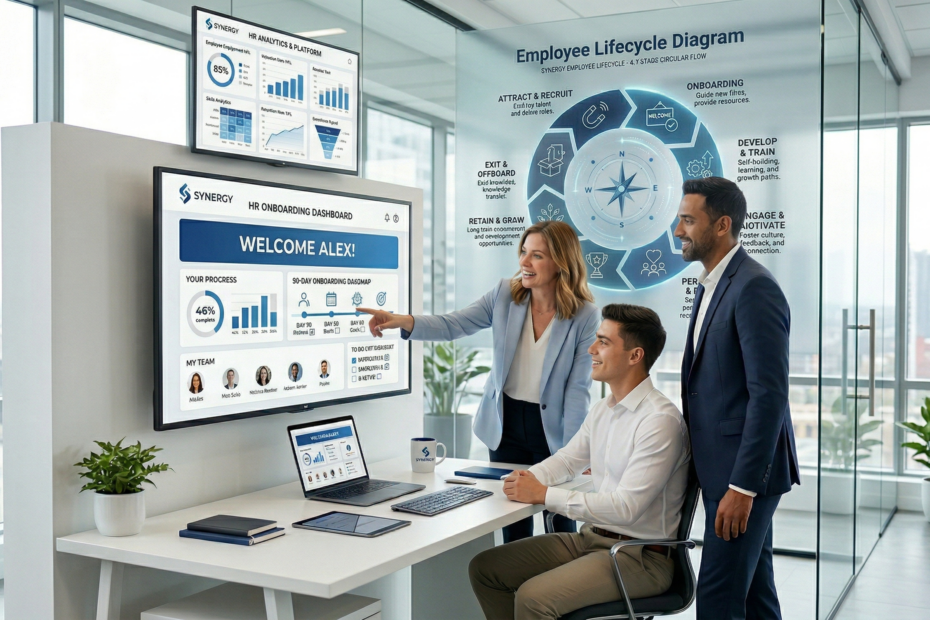
Employee Lifecycle Management ที่ดีต้องมีอะไรบ้าง? 7 องค์ประกอบที่ HR ต้องรู้

Onboarding พนักงานใหม่

Onboarding พนักงานใหม่ คืออะไร

Onboarding พนักงานใหม่ คือ กระบวนการต้อนรับและช่วยให้พนักงานใหม่สามารถ “ปรับตัว” เข้ากับองค์กรได้อย่างมีประสิทธิภาพ ทั้งในด้านงาน ทีม และวัฒนธรรมองค์กร

Onboarding ไม่ได้หมายถึงแค่การปฐมนิเทศ (Orientation) ในวันแรก
แต่เป็นกระบวนการต่อเนื่องที่ครอบคลุมตั้งแต่ก่อนเริ่มงาน (Pre-Onboarding) ไปจนถึงช่วงทดลองงาน เช่น 30-60-90 วันแรก

7 ขั้นตอนบริหารพนักงานทั้งวงจร ที่ช่วยลด Turnover และยกระดับองค์กร

“พนักงานไม่ได้ลาออกจากองค์กร แต่ลาออกจากประสบการณ์ที่ไม่ดี”

ในยุคที่การแข่งขันด้าน Talent สูงขึ้นอย่างต่อเนื่อง องค์กรที่สามารถ “รักษาคนเก่ง” ไว้ได้ คือองค์กรที่ได้เปรียบ

นี่จึงเป็นเหตุผลที่ Employee Lifecycle Management (ELM) กลายเป็นหนึ่งในกลยุทธ์สำคัญขององค์กรยุคใหม่ เพราะไม่ใช่แค่การบริหารคน แต่คือการ “ออกแบบประสบการณ์พนักงาน” ให้ดีที่สุดในทุกช่วง

Employee Lifecycle Management คืออะไร?

Employee Lifecycle Management คือ การบริหาร “วงจรชีวิตของพนักงาน” ตั้งแต่ก่อนเข้าทำงาน ระหว่างการทำงาน ไปจนถึงวันสุดท้ายของการทำงาน

หัวใจสำคัญของ ELM ไม่ใช่แค่ “Process” แต่คือ “Employee Experience” ที่พนักงานได้รับในแต่ละช่วงเวลา

องค์กรที่ออกแบบ Lifecycle ได้ดี จะสามารถ

  • ดึงดูดคนเก่งได้ง่ายขึ้น
  • พัฒนาศักยภาพพนักงานได้เต็มที่
  • ลดอัตราการลาออก (Turnover) ได้อย่างมีประสิทธิภาพ

7 ขั้นตอนของ Employee Lifecycle Management

1. Attraction ดึงดูดคนเก่งให้สนใจองค์กร

องค์กรต้องทำให้ตัวเอง “เป็นตัวเลือกที่น่าสนใจ”

โดยเริ่มจาก:

  • การสร้าง Employer Branding ที่ชัดเจน
  • การสื่อสารวัฒนธรรมองค์กรผ่านช่องทางต่างๆ
  • การนำเสนอจุดเด่น เช่น โอกาสเติบโต หรือ Work-life balance

👉 เป้าหมายคือ ทำให้ “คนเก่งอยากเข้ามา”

2. Recruitment สรรหาคนที่ใช่

การสรรหาที่ดี ไม่ใช่แค่เร็ว แต่ต้อง “แม่น”

แนวทางที่ควรมี:

  • ใช้ HR Data ในการตัดสินใจ
  • ใช้ Structured Interview เพื่อลด Bias
  • ประเมินทั้ง Skill และ Culture Fit

👉 เพราะการเลือกคนผิด 1 คน อาจส่งผลต่อทั้งทีม

3. Onboarding สร้างประสบการณ์แรกที่ดี

Onboarding คือช่วงเวลาสำคัญที่สุดในการสร้างความผูกพัน

สิ่งที่องค์กรควรทำ:

  • มีแผน 30-60-90 วัน
  • มี Buddy หรือ Mentor คอยดูแล
  • ตั้งเป้าหมายการทำงานให้ชัดเจน

👉 Onboarding ที่ดี = เพิ่มโอกาสให้พนักงาน “อยู่ยาว”

4. Development พัฒนาพนักงานอย่างต่อเนื่อง

พนักงานยุคใหม่ไม่ได้มองแค่เงินเดือน
แต่ต้องการ “การเติบโต”

องค์กรควร:

  • จัด Training และ Learning Program
  • สนับสนุนการ Upskill / Reskill
  • วาง Career Path ที่ชัดเจน

👉 ถ้าไม่เห็นอนาคต พนักงานจะเริ่มมองหาที่ใหม่ทันที

5. Performance วัดผลอย่างมีคุณภาพ

การประเมินผลไม่ควรเกิดขึ้นปีละครั้ง องค์กรควร

  • ใช้ KPI หรือ OKR ที่ชัดเจน
  • มี Feedback แบบต่อเนื่อง
  • มีการพูดคุย 1-on-1 อย่างสม่ำเสมอ

👉 เพื่อให้พนักงานรู้ว่าควรพัฒนาอะไร และเติบโตอย่างไร

6. Retention รักษาคนเก่งให้อยู่กับองค์กร

Retention ไม่ใช่แค่ “การรั้ง” แต่คือ “การทำให้พนักงานอยากอยู่”

สิ่งสำคัญ

  • Employee Engagement
  • Recognition
  • Compensation & Benefit ที่เหมาะสม

👉 ประสบการณ์ในแต่ละวัน คือสิ่งที่กำหนดว่า “พนักงานจะอยู่หรือไป”

7. Separation จบอย่างมีคุณค่า

แม้พนักงานจะลาออก ก็ยังสามารถสร้างคุณค่าได้

องค์กรควร:

  • ทำ Exit Interview
  • วิเคราะห์สาเหตุการลาออก
  • รักษาความสัมพันธ์ในระยะยาว

👉 อดีตพนักงาน อาจกลายเป็นลูกค้า หรือผู้สนับสนุนองค์กรในอนาคต

ทำไม Employee Lifecycle Management ถึงช่วยลด Turnover ได้?

เพราะ ELM ช่วยให้องค์กร “เข้าใจพนักงานในทุกช่วง”

แทนที่จะแก้ปัญหาที่ปลายเหตุ เช่น การขึ้นเงินเดือน ELM จะช่วยแก้ที่ “ต้นเหตุ” เช่น

  • ประสบการณ์การทำงาน
  • ความชัดเจนของ Career Path
  • ความสัมพันธ์กับหัวหน้างาน

เมื่อพนักงานรู้สึกดี เขาจะอยากเติบโตไปกับองค์กร

HR Data: เครื่องมือสำคัญของ HR ยุคใหม่

การบริหารคนในยุคนี้ ต้องใช้ “ข้อมูล” ไม่ใช่แค่ความรู้สึก

ตัวอย่างข้อมูลที่สำคัญ:

  • Time to Hire
  • Turnover Rate
  • Engagement Score
  • Performance Metrics

องค์กรที่ใช้ HR Data จะสามารถตัดสินใจได้แม่นยำ และพัฒนาคนได้ตรงจุด

วิธีเริ่มทำ Employee Lifecycle Management ในองค์กร

หากองค์กรของคุณยังไม่เริ่ม สามารถเริ่มได้ง่ายๆ:

Step 1: วิเคราะห์ระบบปัจจุบัน

ดูว่ามี Stage ไหนที่ยังขาด หรือยังไม่ชัดเจน

Step 2: หา Pain Point

เช่น พนักงานลาออกช่วงทดลองงาน หรือ Engagement ต่ำ

Step 3: เริ่มจากจุดที่ Impact สูง

เช่น Onboarding หรือ Retention

👉 เพราะเป็นจุดที่ส่งผลต่อ Turnover โดยตรง

สรุป:  Employee Lifecycle คือกลยุทธ์ที่องค์กรห้ามมองข้าม

Employee Lifecycle Management ไม่ใช่แค่เครื่องมือของ HR
แต่คือ “หัวใจของการบริหารองค์กร”

องค์กรที่ทำได้ดี จะสามารถ

  • รักษาคนเก่ง
  • เพิ่มประสิทธิภาพการทำงาน
  • และเติบโตอย่างยั่งยืนในระยะยาว
หากองค์กรของคุณกำลังมองหาวิธีบริหารพนักงานทั้งวงจรให้มีประสิทธิภาพ ตั้งแต่ Onboarding ไปจนถึงการพัฒนาและรักษาคนเก่ง การใช้ระบบ HR ที่ครบวงจรจะช่วยให้ทุกขั้นตอนเป็นเรื่องง่ายและวัดผลได้ชัดเจนมากขึ้น คุณสามารถดูรายละเอียดเพิ่มเติมเกี่ยวกับโซลูชันด้าน HR และ Employee Lifecycle ได้ที่ Coach HCM เพื่อยกระดับการบริหารคนให้เป็นกลยุทธ์ที่ขับเคลื่อนองค์กรได้อย่างแท้จริง 

Q&A: Onboarding พนักงานใหม่ให้ได้ผล

Q: Onboarding คืออะไร?

A: คือกระบวนการช่วยให้พนักงานใหม่ปรับตัวเข้ากับองค์กร ทั้งด้านงาน ทีม และวัฒนธรรม ไม่ใช่แค่วันแรก แต่เป็นกระบวนการต่อเนื่อง

Q: Onboarding สำคัญอย่างไร?

A: ช่วยลดการลาออก เพิ่ม Productivity และสร้าง Engagement ตั้งแต่วันแรก

Q: Onboarding ต่างจาก Orientation ยังไง?

A: Orientation คือกิจกรรมวันแรก
แต่ Onboarding คือกระบวนการระยะยาว

Q: Onboarding ควรใช้เวลากี่วัน?

A: แนะนำ 30-60-90 วัน เพื่อให้พนักงานค่อยๆ ปรับตัว

Q: ทำไมพนักงานลาออกช่วงทดลองงาน?

A: ส่วนใหญ่เกิดจาก Onboarding ไม่ชัดเจน ขาดการซัพพอร์ต และความคาดหวังไม่ตรงกัน

Q: จะทำ Onboarding ให้ได้ผลต้องทำอย่างไร?

A: ควรมีแผนชัดเจน มี Buddy มี KPI และมี Feedback ต่อเนื่อง

🚀 ยกระดับ Employee Lifecycle ด้วยระบบ HR ที่ใช่

หากองค์กรของคุณต้องการบริหารพนักงานทั้งวงจรอย่างมีประสิทธิภาพ
การใช้ โปรแกรม HR Online หรือระบบบริหารงานบุคคล จะช่วยให้:

  • จัดการ Onboarding ได้เป็นระบบ
  • ติดตาม Performance ได้แบบ Real-time
  • วิเคราะห์ HR Data เพื่อวางกลยุทธ์ได้แม่นยำ

Coach HCM พร้อมช่วยองค์กรของคุณยกระดับการบริหารคนให้เป็น “Strategic HR” อย่างแท้จริง

What is Employee Lifecycle Management? 7 Stages and How to Manage Employees Effectively

Employee Onboarding

What is Employee Lifecycle Management?

7 Stages to Effectively Manage Employees and Reduce Turnover

“Employees don’t leave companies — they leave poor experiences.”

In today’s competitive talent market, organizations that can attract, develop, and retain top talent gain a significant advantage.

This is why Employee Lifecycle Management (ELM) has become a critical strategy for modern organizations.
It’s not just about managing employees — it’s about designing a meaningful and effective employee experience at every stage.

What is Employee Lifecycle Management?

Employee Lifecycle Management refers to the process of managing an employee’s journey — from the moment they first interact with your organization, throughout their employment, and even after they leave.

The key focus is not just on processes, but on Employee Experience (EX) at every stage.

Organizations that implement ELM effectively can:

  • Attract high-quality talent more easily
  • Maximize employee potential
  • Significantly reduce employee turnover

The 7 Stages of Employee Lifecycle Management

  1. Attraction – Attract the Right Talent

Organizations need to position themselves as an “employer of choice.”

This includes:

  • Building a strong employer brand
  • Communicating company culture clearly
  • Highlighting benefits such as growth opportunities and work-life balance

👉 The goal is to make top talent want to join your organization.

  1. Recruitment – Hire the Right People

Effective recruitment is not just about speed — it’s about accuracy.

Best practices include:

  • Leveraging HR data (e.g., time-to-hire, quality-of-hire)
  • Using structured interviews to reduce bias
  • Evaluating both skills and cultural fit

👉 A bad hire can create significant long-term costs.

  1. Onboarding – Create a Strong First Experience

Onboarding is one of the most critical stages for retention.

A strong onboarding program should include:

  • A structured 30-60-90 day plan
  • A buddy or mentor system
  • Clear goals and expectations

👉 A great onboarding experience increases the likelihood of long-term retention.

  1. Development – Enable Continuous Growth

Modern employees value growth opportunities as much as compensation.

Organizations should:

  • Provide ongoing training and learning programs
  • Support upskilling and reskilling
  • Establish clear career paths

👉 When employees don’t see a future, they start looking elsewhere.

  1. Performance – Manage and Measure Effectively

Performance management should not happen once a year.

Organizations should:

  • Use KPIs or OKRs aligned with business goals
  • Provide continuous, real-time feedback
  • Conduct regular 1-on-1 meetings

👉 Employees need clarity on where they stand and how to improve.

  1. Retention – Keep Your Best Talent

Retention is not about holding people back — it’s about making them want to stay.

Key elements include:

  • Employee engagement
  • Recognition and appreciation
  • Competitive compensation and benefits

👉 Daily employee experience plays a critical role in retention.

  1. Separation – Manage Exits Professionally

Even when employees leave, they can still create value.

Organizations should:

  • Conduct exit interviews
  • Analyze reasons for turnover
  • Maintain positive relationships

👉 Former employees can become brand advocates or future clients.

Why Employee Lifecycle Management Reduces Turnover

ELM helps organizations understand employees at every stage.

Instead of addressing surface-level issues like salary increases,
ELM focuses on root causes such as:

  • Workplace experience
  • Career clarity
  • Manager relationships

👉 When employees feel valued, they are more likely to stay.

HR Data: A Key Driver for Modern HR

Today’s HR decisions should be driven by data, not assumptions.

Key metrics include:

  • Time to Hire
  • Turnover Rate
  • Engagement Score
  • Performance Metrics

👉 Data-driven HR leads to better decision-making and stronger outcomes.

How to Start Employee Lifecycle Management

If your organization is just getting started, follow these steps:

Step 1: Assess Your Current Processes

Identify gaps across each stage of the lifecycle

Step 2: Identify Pain Points

For example:

  • High turnover during probation
  • Low employee engagement

Step 3: Focus on High-Impact Areas

Start with:

  • Onboarding
  • Retention

👉 These stages have the most direct impact on turnover.

Conclusion: Employee Lifecycle is a Strategic Advantage

Employee Lifecycle Management is not just an HR function —
it is a business strategy.

Organizations that implement it effectively can:

  • Retain top talent
  • Improve productivity
  • Achieve sustainable growth

Q&A: Effective Employee Onboarding

Q: What is onboarding?

A: Onboarding is the process of helping new employees adapt to their role, team, and company culture. It goes beyond the first day and continues over time (e.g., 30-60-90 days).

Q: Why is onboarding important?

A: It reduces early turnover, improves productivity, and builds engagement from day one.

Q: What is the difference between onboarding and orientation?

A: Orientation is typically a one-day introduction, while onboarding is a long-term process that ensures employees can perform effectively.

Q: How long should onboarding last?

A: A structured 30-60-90 day plan is recommended to support gradual adaptation and performance.

Q: Why do employees leave during probation?

A: Common reasons include lack of structure, unclear expectations, insufficient support, and cultural misalignment.

Q: How can onboarding be improved?

A: Use structured plans, assign mentors, define KPIs, and provide continuous feedback.

Elevate Your HR with the Right System

To effectively manage the entire employee lifecycle, organizations should leverage HR software or HR online systems that enable:

  • Structured onboarding processes
  • Real-time performance tracking
  • Data-driven HR decision-making
👉 Coach HCM empowers organizations to transform HR into a true strategic function.