
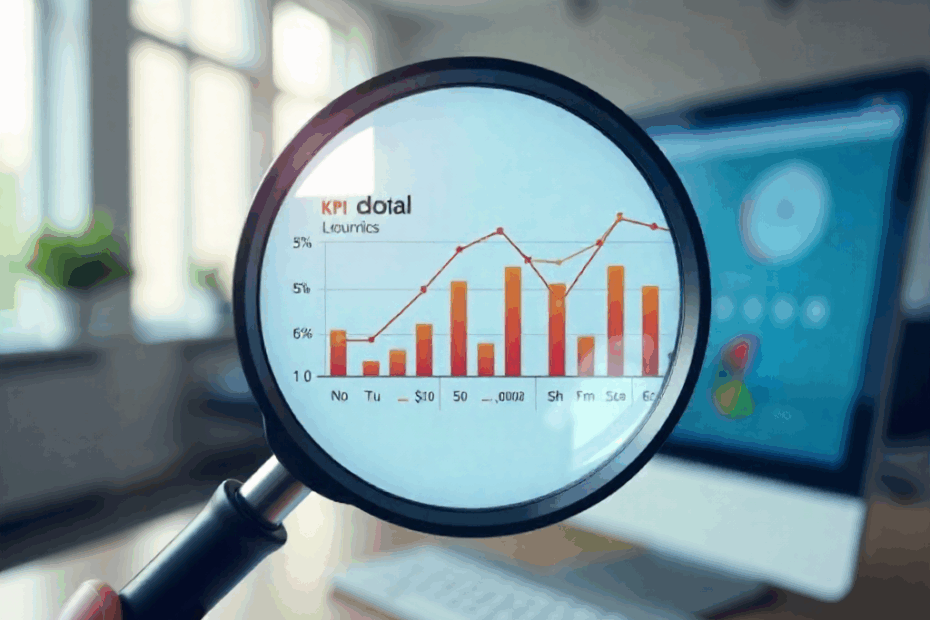
KPI (Key Performance Indicator) เครื่องมือสำคัญที่ช่วยให้องค์กรสามารถประเมินความก้าวหน้าและวัดความสำเร็จได้อย่างมีประสิทธิภาพ

KPI (Key Performance Indicator)

ในโลกธุรกิจที่เปลี่ยนแปลงอย่างรวดเร็ว องค์กรไม่สามารถพึ่งพาเพียงความรู้สึกหรือประสบการณ์ได้อีกต่อไป การตัดสินใจต้องขับเคลื่อนด้วย “ข้อมูลที่วัดผลได้จริง” ซึ่ง KPI (Key Performance Indicator) หรือ ดัชนีชี้วัดผลการดำเนินงาน คือเครื่องมือสำคัญที่ช่วยให้องค์กรสามารถประเมินความก้าวหน้าและวัดความสำเร็จได้อย่างมีประสิทธิภาพ

KPI คืออะไร?

KPI ย่อมาจาก Key Performance Indicator หมายถึง ดัชนีที่ใช้วัดประสิทธิภาพหรือความสำเร็จในการดำเนินงาน เทียบกับเป้าหมายหรือมาตรฐานที่กำหนดไว้ โดยสามารถอธิบายแต่ละคำในตัวย่อได้ดังนี้:

  1. K (Key): หัวใจหลักหรือเป้าหมายสำคัญของความสำเร็จ
  2. P (Performance): ประสิทธิภาพหรือผลการทำงาน
  3. I (Indicator): ดัชนีหรือตัวชี้วัด

KPI สามารถใช้ได้ทั้งในระดับองค์กร หน่วยงาน ไปจนถึงระดับบุคคล เพื่อช่วยให้องค์กรติดตามผลลัพธ์ และพัฒนาได้ตรงจุด

ประเภทของ KPI 

KPI สามารถแบ่งได้เป็น 2 ประเภทหลัก ได้แก่

1. การวัดผลทางตรง – เป็นการวัดที่ใช้ “ตัวเลข” และข้อมูลที่จับต้องได้ เช่น:

  • ยอดขายเทียบเป้าหมาย
  • จำนวนสินค้าที่ผลิต
  • อัตราการเติบโตของรายได้
  • อัตราการลดต้นทุน

ข้อดี: วัดผลได้ชัดเจน เที่ยงตรง ตรวจสอบได้ง่าย

2. การวัดผลทางอ้อม-ใช้ประเมินในด้านที่เป็นนามธรรม เช่น

  • ทัศนคติในการทำงาน
  • ทักษะและความเชี่ยวชาญ
  • ความสามารถในการทำงานเป็นทีม

ข้อควรระวัง: ต้องใช้มาตรฐานและความเป็นกลางในการประเมิน

ประโยชน์ของ KPI ต่อองค์กร

  1. ประเมินประสิทธิภาพการทำงาน อย่างตรงไปตรงมา
  2. ระบุจุดแข็งและจุดอ่อน ของทีมหรือพนักงาน
  3. สร้างแรงจูงใจ ผ่านเป้าหมายที่วัดผลได้
  4. เชื่อมโยงกับระบบผลตอบแทน เช่น โบนัสหรือการเลื่อนตำแหน่ง
  5. เสริมทิศทางการเติบโต ให้องค์กรเคลื่อนที่ในแนวเดียวกัน
  6. ช่วยวางแผนกลยุทธ์และตัดสินใจ ในระดับบริหาร
  7. เพิ่มความโปร่งใสในการประเมินผลงาน

การวัดผล KPI: มุมมองเชิงบวกและลบ

Positive KPI

เน้นการวัดผลในมิติความสำเร็จ เช่น:

  • ยอดขายที่เพิ่มขึ้น
  • ความพึงพอใจของลูกค้า
  • การเติบโตของส่วนแบ่งตลาด

ส่งผลให้เกิดแรงจูงใจ และบรรยากาศการทำงานเชิงบวก

⚠️ Negative KPI

เน้นปัญหาหรือข้อบกพร่อง เช่น

  • อัตราความผิดพลาด
  • การลดอัตราการลาออก
  • ความล่าช้าในการส่งงาน

ใช้เพื่อค้นหาจุดอ่อนและวางแผนการแก้ไข

วิธีประเมิน KPI อย่างมีประสิทธิภาพ (SMART Model)

KPI (Key Performance Indicator)

การตั้ง KPI ที่ดีควรยึดหลัก SMART ดังนี้

  1. S – Specific: ชัดเจน ไม่คลุมเครือ
  2. M – Measurable: วัดผลได้เป็นรูปธรรม
  3. A – Achievable: มีความเป็นไปได้ในการบรรลุ
  4. R – Relevant: สอดคล้องกับเป้าหมายองค์กร
  5. T – Time-bound: มีกรอบเวลาที่แน่นอน

การกำหนด KPI ในระดับต่าง ๆ

  1. KPI ระดับองค์กร เช่น ผลกำไรโดยรวม ส่วนแบ่งตลาด ความพึงพอใจของลูกค้า
  2. KPI ระดับหน่วยงาน เช่น KPI ของฝ่ายขาย ฝ่ายผลิต หรือฝ่าย HR
  3. KPI ระดับบุคคล เชื่อมโยงกับ Job Description และเป้าหมายของแผนก
  4. KPI รอง (Secondary Indicators) เน้นการพัฒนาทักษะ มีส่วนร่วมกับองค์กร หรือเสนอไอเดียใหม่ ๆ

KPI vs OKR ต่างกันอย่างไร?

หัวข้อ

KPI

OKR

เป้าหมาย

วัดผลเทียบมาตรฐาน

มุ่งเน้นการเติบโตและนวัตกรรม

ความถี่

รายปี หรือระยะยาว

รายไตรมาส ยืดหยุ่น

ความท้าทาย

เป้าหมายชัดเจน บรรลุ 100%

ตั้งเป้าท้าทาย (บรรลุ 70% ถือว่าดี)

การเชื่อมโยงผลตอบแทน

เชื่อมโยงกับโบนัส/เลื่อนตำแหน่ง

ไม่ควรเชื่อมโยงตรง ๆ

สรุป: KPI เครื่องมือสำคัญที่ขับเคลื่อนองค์กร

KPI คือเครื่องมือวัดผลที่ทรงพลังที่สุดในการบริหารงานและบริหารคน ช่วยให้องค์กรสามารถ:

  1. ประเมินผลได้อย่างเป็นระบบ
  2. พัฒนาอย่างมีทิศทาง
  3. สื่อสารเป้าหมายร่วมกันระหว่างผู้บริหารและพนักงาน

การออกแบบ KPI ที่ดี ต้องเข้าใจธุรกิจ เป้าหมายองค์กร และความสามารถของบุคลากรอย่างลึกซึ้ง

COACH HCM เครื่องมือที่จะทำให้การติดตาม KPI ง่ายและมีประสิทธิภาพขึ้น ด้วย KPI Tracking ของ COACH HCM

  1. ช่วยติดตามความก้าวหน้าของเป้าหมายแต่ละบุคคลและทีมแบบ Real-time
  2. เชื่อมโยงข้อมูลเข้ากับ ระบบประเมินผล (Performance Appraisal) เพื่อให้การประเมินโปร่งใสและแม่นยำ
  3. สร้าง Dashboard รายงานผล ชัดเจน ทั้งระดับบุคคล แผนก และองค์กร
  4. ใช้ข้อมูล KPI ต่อเนื่องกับ การวางแผนพัฒนา (IDP) และ การจ่ายผลตอบแทนตามผลงาน (Pay for Performance)

ทำให้หัวหน้างาน HR และผู้บริหารมองเห็นภาพรวมผลงานได้ง่ายขึ้น ลดเวลาทำรายงาน และเพิ่มความเป็นธรรมในการประเมิน

KPI (Key Performance Indicator) is an important tool that helps organizations effectively assess progress and measure success.

KPI (Key Performance Indicator)

In today’s fast-changing business world, organizations can no longer rely solely on gut feeling or experience. Decisions must be driven by “measurable data.” Key Performance Indicators (KPIs) are key tools that help organizations effectively assess progress and measure success.

What is a KPI?

KPI stands for Key Performance Indicator, which refers to an index used to measure the efficiency or success of operations compared to established goals or standards. Each abbreviation can be explained as follows:

  1. K (Key): The core or important goal of success.
  2. P (Performance): Efficiency or performance
  3. I (Indicator): Index or indicator

KPIs can be used at the organizational, departmental, and individual levels to help organizations track results and make targeted improvements.

Types of KPIs

KPIs can be divided into two main types:

1. Direct measurement – is a measurement that uses “numbers” and tangible data such as:

  • Sales compared to target
  • Number of products produced
  • Revenue growth rate
  • Cost reduction rate

Advantages: Clear, accurate measurement, easy to check.

2. Indirect measurement – used to evaluate abstract aspects such as:

  • Work attitude
  • Skills and expertise
  • Ability to work in a team

Caution: Standards and objectivity must be used in the evaluation.

Benefits of KPIs to the organization

  1. Evaluate performance objectively
  2. Identify the strengths and weaknesses of your team or employees.
  3. Create motivation through measurable goals
  4. Linked to compensation systems such as bonuses or promotions
  5. Strengthen the growth direction, allowing the organization to move in the same direction.
  6. Assist in strategic planning and decision making at the management level.
  7. Increase transparency in performance evaluation

KPI Measurement: Positive and Negative Perspectives

Positive KPI

Focus on measuring success dimensions such as:

  • Increased sales
  • Customer satisfaction
  • Market share growth

Resulting in motivation and a positive work atmosphere

⚠️ Negative KPI

Highlight problems or shortcomings, such as:

  • error rate
  • Reducing the turnover rate
  • Delays in submission

Used to find weaknesses and plan solutions.

How to effectively assess KPIs (SMART Model)

KPI (Key Performance Indicator)

Setting good KPIs should adhere to the SMART principles as follows:

  1. S – Specific: Clear, unambiguous
  2. M – Measurable: Measurable results
  3. A – Achievable: Possible to achieve.
  4. R – Relevant: Aligned with organizational goals
  5. T – Time-bound: has a specific time frame

Setting KPIs at different levels

  1. Corporate KPIs such as overall profit, market share, customer satisfaction
  2. Department-level KPIs , such as sales, production, or HR KPIs.
  3. Individual level KPIs are linked to the job description and departmental goals.
  4. Secondary KPIs focus on skills development, engagement with the organization, or generating new ideas.

What is the difference between KPI and OKR?

section

KPI

OKR

target

Standardized measurement

Focus on growth and innovation

frequency

Annual or long term

Quarterly, flexible

Challenges

Clear goals, 100% achieved

Set challenging goals (achieving 70% is considered good)

Return Link

Linked to bonus/promotion

Should not be directly linked

Summary: KPIs are an important tool that drives the organization.

KPIs are the most powerful measurement tools in management and people management, helping organizations to:

  1. Systematically evaluate results
  2. Develop with direction
  3. Communicate common goals between management and employees.

Designing good KPIs requires a deep understanding of the business, organizational goals, and the capabilities of your people.

COACH HCM A tool that makes tracking KPIs easier and more efficient with COACH HCM KPI Tracking.

  1. Helps track progress against individual and team goals in real-time.
  2. Link data to the Performance Appraisal system to ensure transparent and accurate assessments.
  3. Create a dashboard that clearly reports results at the individual, department, and organization levels.
  4. Use KPI data continuously with Innovative Development Planning (IDP) and Pay for Performance.

It makes it easier for HR managers and executives to see the overall performance, reduce reporting time and increase fairness in evaluations.